

Imke von Maur
Prof. Dr. Imke von Maur is a professor for philosophy at the Catholic University Eichstätt-Ingolstadt and currently the president of the European Philosophical Society for the Study of Emotions (EPSSE). She completed her PhD at the Institute of Cognitive Science at the University of Osnabrück with a socio-critical approach to the epistemic relevance of emotions. Before, she studied Cognitive and Media Sciences at the University of Duisburg-Essen (B. Sc.) and Cognitive Science at the University of Osnabrück (M. Sc.), with Psychology, Neuroscience and Philosophy as major subjects. Her work focuses on the philosophy of emotion and affect theory, (critical) phenomenology and (critical) social philosophy, as well as practice theory and epistemology. Thematically, Imke von Maur is primarily concerned with the climate crisis and the role of education for a just, sustainable and democratic society as well as the fundamental interplay of practice, narrative and affectivity in the (shared) production and negation of realities.

Gen Eickers
Dr. Gen Eickers works at the intersection of philosophy of mind and emotion, philosophy of technology, social philosophy, and trans philosophy. Gen Eickers received his doctorate from Freie Universität Berlin in 2019 and was a PhD student at the Berlin School of Mind and Brain and at The Graduate Center, City University of New York. Currently, they work at Osnabrück University. Eickers’ research investigates how social structures and social identity shape mind, emotion, and interaction. They have developed the first integrative account of scripts in their monograph "Scripts and Social Cognition" (Routledge, 2025), as well as in papers focusing on scripts in emotion perception. Their work also examines the connections between social norms, emotions, injustice, and transness. Across their research on emotion, they study how social factors shape emotional experience, expression, and perception, and how emotions are often used in unjust social systems, constituting forms of emotional injustice. The emphasis of their current work is on how socio-political practices employ affect and emotion to shape gender; here, they focus primarily on trans affect and masculine affect. Together with Sigmond Richli, Eickers is currently editing a volume on trans philosophy (Metzler Verlag).

Millicent Churcher
Dr. Millicent Churcher is a lecturer in Philosophy at the Australian Catholic University, Sydney. Prior to this appointment, she was a Marie Sklodowska-Curie Actions research fellow at the CRC "Affective Societies”, Freie Universität Berlin. Her research is dedicated to theorising the interrelationship of emotions, institutions, imagination, embodiment, and power.
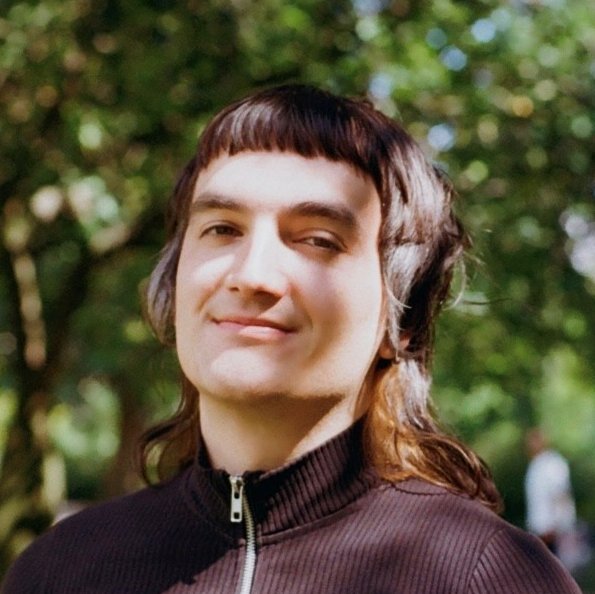
Tris Hedges
Dr. Tris Hedges is a postdoc in the Department of Cross-Cultural and Regional Studies at the University of Copenhagen, currently on a 2-year fellowship at the Affective Societies Collaborative Research Centre in Freie Universität Berlin. They are also a managing assistant at the European Philosophical Society for the Study of Emotions (EPSSE). Their current research project, 'The Politics and Affects of Doubt', is funded by the Carlsberg Foundation. In this project, Hedges examines the place of doubt in our political and affective lives, trying to make sense of its importance for contemporary forms of normalisation, polarisation, and self-alienation. Hedges has published multiple articles at the intersections of phenomenology, social ontology, and queer feminist philosophy, with a particular focus on issues surrounding normalisation, gender, sexuality, and group identity.

Rebekka Hufendiek
Prof. Dr. Rebekka Hufendiek completed her PhD in philosophy in 2012 at Humboldt University of Berlin. She has published numerous papers and a book on embodied emotions (2015). After postdoctoral positions at the Universities of Fribourg (2012) and Basel (2013) and research stays at the University of Exeter (2016) and the Alfried Krupp Kolleg in Greifswald (2020), she was awarded an Eccellenza Grant by the SNSF (2020). As Assistant Professor at the University of Bern, she led the research group “Explaining Human Nature: Empirical and Ideological Dimensions.” Since 2023, she has been Professor of Philosophy at Ulm University, working mainly on science, values, and ideology.

Henrike Kohpeiß
Dr. Henrike Kohpeiß is a philosopher in Berlin, working on social and political philosophy, critical theory, affect studies, Black studies and feminist philosophy. She regularly publishes work in academic journals and criticism in magazines. She organises and hosts events in Berlin, such as the conversation series ‘Feelings at the end of the world’ at Volksbühne. Bourgeois Coldness (divided, 2025 / Campus Verlag, 2023) is her first book. She is currently employed as a postdoctoral researcher to study societal transformation at the newly established Transformation Lab at Leuphana University Lüneburg.

Zoey Lavallee
Dr. Zoey Lavallee is a Postdoctoral Researcher in Philosophy at McGill University and a member of the Centre for Research in Ethics. They previously held a Social Sciences and Humanities Research Council (SSHRC) Postdoctoral Fellowship in Philosophy, and completed their PhD at The Graduate Center, City University of New York. They work primarily in philosophy of psychiatry and philosophy of mind, as these intersect with ethics, feminist philosophy, and philosophy of technology. Lavallee’s research investigates how affective and cognitive life is shaped by social and material environments, and how these dynamics structure the conditions of agency. One line of work develops a situated account of drug use – both in addiction and prescribed psychopharmaceutical contexts – showing how these practices function as forms of affective scaffolding that can come to constrain agency over time. A second line of research analyzes affective injustice in relation to mental health, focusing on the social process of psychiatrization and the role of sanism in shaping how we interpret and respond to our own and others’ emotions. Ongoing projects extend these themes to digital technologies, including the therapeutic use of AI-driven chatbots and the emergence of digital addictions. Lavallee is an organizing member of CRE-POHM, an interdisciplinary research group in philosophy of mental health at the Centre for Research in Ethics. Their research has appeared in journals including Inquiry, Synthese, Philosophy, Psychiatry, & Psychology, and Topoi.
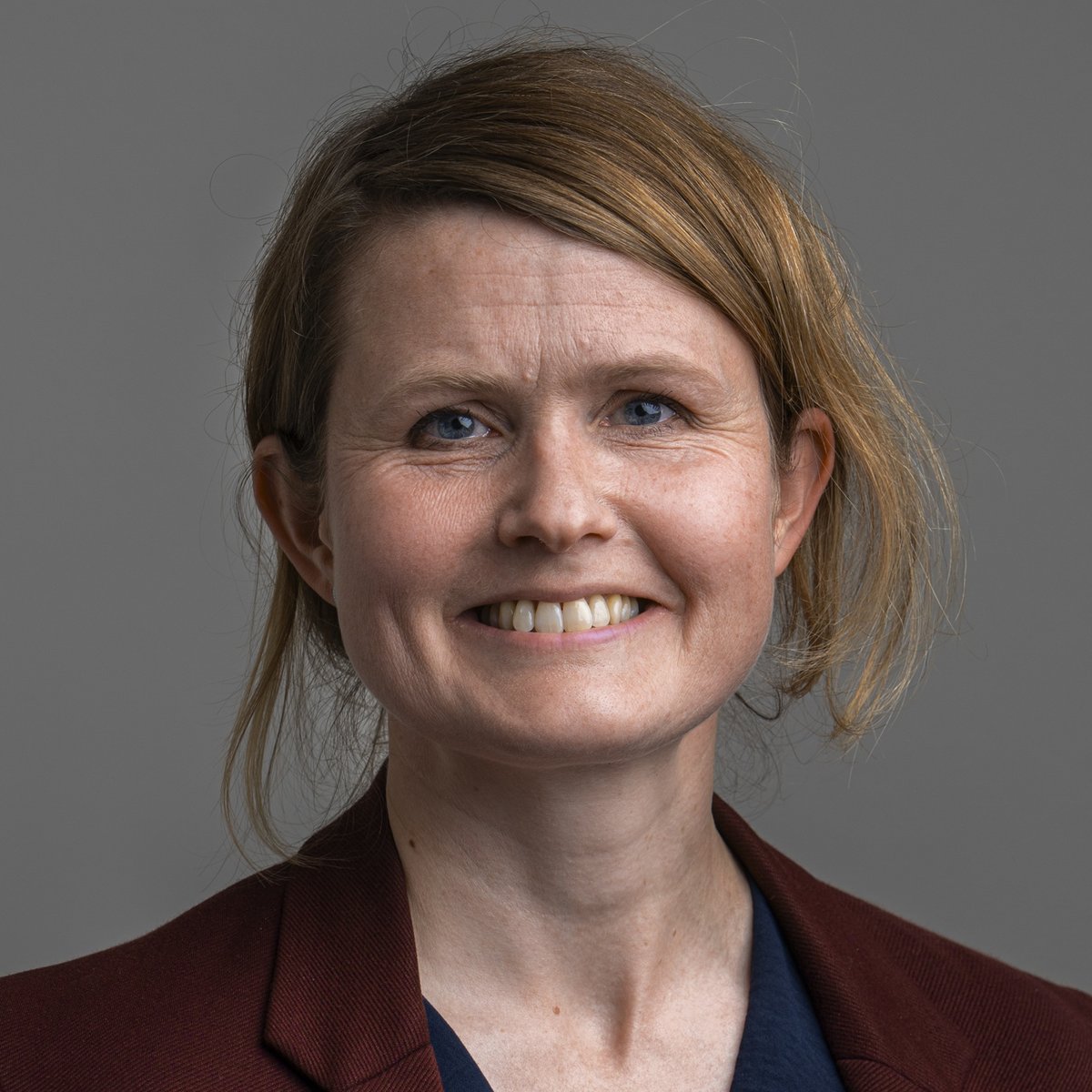
Ditte Marie Munch-Jurisic
Dr. Ditte Marie Munch-Jurisic is an associate professor at the Centre for Culture and the Mind, University of Copenhagen, where she is the PI of the DFF-Sapere Aude and MSCA funded research project “Cultured Emotions: A Conceptual History of Alexithymia”. As a philosopher specialized in the field of emotions and negative affect with a particular focus on the implications for majority-minority relations, she has previously worked at the University of Virgina, Roskilde University and Aarhus University. She is currently looking into the conceptual history of emotions in the psy-sciences and has previously worked on the physiological detrimental effects of discrimination and the relationship between biases and aversive affect.

Kristina Musholt
Prof. Dr. Kristina Musholt is Professor for Cognitive Anthropology in the Department of Philosophy at Leipzig University. Previously, she held positions at the London School of Economics and the University of Magdeburg. Her PhD in philosophy (2011) is from the Humboldt University Berlin. She works in philosophy of mind and psychology as well as social epistemology. Her research focusses on the development of self-consciousness and social cognition, the nature and origins of normativity, and the epistemic role of the emotions for gaining an understanding of ourselves and others.
Lucy Osler
Dr. Lucy Osler is a lecturer in philosophy at the University of Exeter, where she brings phenomenological and 4E approaches to questions about technology, emotion, and mental health. Her research explores how we relate to AI and digital technologies, with a particular focus on affectivity and psychopathology. Lucy's thinking is shaped by feminist philosophy and critical approaches to emotion, exploring ways in which our digital affective relationships are grounded and shaped by power, normative social scripts, and politics.

Laurencia Sáenz-Benavides
Dr. Laurencia Sáenz Benavides is a Marie-Skłodowska Curie Postdoctoral Fellow at the University of Bologna (Project TEARS, Grant Agreement n°1011105929) She received her Ph.D. in Philosophy from Birkbeck College, University of London, in July 2019. She works on moral and political philosophy, feminist philosophy, critical philosophy of race, and philosophy of emotions.

Laura Silva
Prof. Dr. Laura Silva is a philosopher whose work primarily explores the nature and value of emotions in moral and political life. She is Assistant Professor at Université Laval (Québec, Canada) in the Department of Political Science and an Associate Member of the Centre of Philosophy at the University of Lisbon, where she is from. Her research lies at the intersections of moral psychology, feminist philosophy, philosophy of mind and emotion, and epistemology. She is methodologically promiscuous, drawing on both social and experimental insight from a wide range of sources. Laura completed her PhD in Philosophy at University College London with a dissertation on the rationality of anger and holds a BSc in Neuroscience from the same institution. She is committed to writing for both academic and general audiences.

Jan Slaby
Prof. Dr. Jan Slaby works at the philosophy department of FU Berlin in philosophy of mind (construed broadly), philosophy of emotion and affectivity, touching on themes in social and political theory. His orientation is hybrid, mixing elements from phenomenology, critical theory, cultural-studies adjacent continental philosophy with remnants of a fading analytical training. He works on an integrative account of the social constitution of mental capacities and liabilities by combining enactivism, extended mind and embodied mind approaches with approaches from social philosophy, critical theory and phenomenology (‘political philosophy of mind’). Affect and emotion are themes of high interest for him. Affect (dynamic, relational, pre-individual) and emotion (agentive, discursively formed and bundled into social repertoires) present linchpins of mindedness, as they relate individuals to their surroundings while forming the shape-shifting pinnacle of subjectivity and selfhood. In this key lies his interest in the affective dynamics of social interaction. Presently, he works on a theory of societal ‘unfeeling’, in which he develops concepts for diagnosing destructive society-nature relations in an affect-theoretical key. Among his recent publications on this topic are the articles *Structural Apathy* (2023) and *Habits of Affluence* (2024); with Christian von Scheve and other colleagues, he has co-edited two volumes on the *Key Concepts in Affective Societies* (2019 & 2026).

Gerhard Thonhauser
Dr. Gerhard Thonhauser teaches philosophy at TU Darmstadt. He holds a PhD in philosophy and M.A.s in philosophy and political science from the University of Vienna. In his current research, he is mostly interested in a dynamical understanding of social collectives, focusing on affective-political forces, emotional experiences and collective agency. Moreover, he is currently writing a book on the history of political thought in the phenomenological tradition. His areas of expertise are social and political philosophy, the philosophy of emotions, social ontology, collective intentionality, and the philosophy of sports. Moreover, he has expertise in most classical figures as well as current trends within the phenomenological tradition, and in the history of 19th and 20th century philosophy more broadly conceived. He co-edited The Routledge Handbook of Political Phenomenology (2024). His latest publications include “Collective Emotions and the Distributed Emotion Framework” (Phenomenology and the Cognitive Sciences, 2024), “Towards a Taxonomy of Collective Emotions” (Emotion Review, 2022), and “Beyond Mood and Atmosphere: A Conceptual History of the Term Stimmung” (Philosophia, 2021).
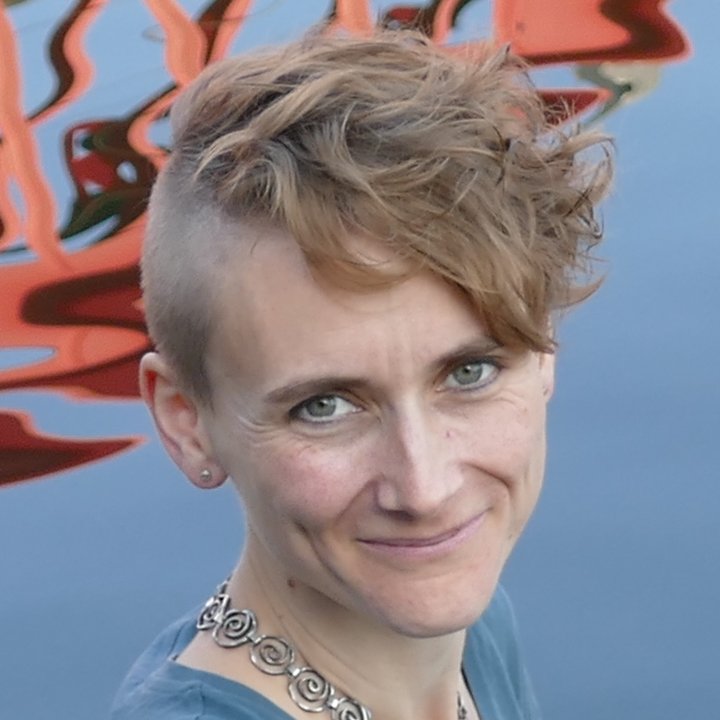
Ruth Rebecca Tietjen
Prof. Dr. Ruth Rebecca Tietjen is an assistant professor for social and political philosophy at Tilburg University. She completed her PhD at the University of Tübingen in 2019. Before she came to Tilburg, she worked at the University of Vienna (2018–19), University of Düsseldorf (2019-20), Center for Subjectivity Research (University of Copenhagen, 2020-22), and Centre of Ethics as Study in Human Value (University of Pardubice, 2022). Committed to the idea of critically engaged philosophy, she explores pressing existential and political questions of contemporary society and human existence at large. Her research focuses on three fields. First, she explores the affective dimension of fanaticism, extremism, (de)radicalization, and related phenomena, currently with a focus on the politics of loneliness. Her publications in this field include “The Appropriateness of Political Emotions” with Thomas Szanto (Ergo, 2025), “Fear, Fanaticism, and Fragile Identities” (The Journal of Ethics, 2023), and “The Rage of Lonely Men: Loneliness and Misogyny in the Online Movement of ‘Involuntary Celibates’ (Incels)” with Sanna K. Tirkkonen (Topoi 2023). Second, she is a passionate existential philosopher, working on religious and mystical feelings, anxiety, loneliness, and melancholia. Finally, bridging both fields, she is eager to explore creative forms of expression, making use of poetic, artistic, and performative means to enable an existentially and politically engaging form of conversation. In this spirit, she is currently editing a special issue of Passion, “Affective Lives: Autotheoretical Experiments.”

Marie Wuth
Dr. Marie Wuth is a Postdoctoral Researcher at the DFG Research Training Group “Practicing Place: Socio-Cultural Practices and Epistemic Configurations" at the Catholic University of Eichstätt-Ingolstadt. Her research investigates how affect, power, and socio-ecological dynamics interact in shaping political orders, agency, and conditions of coexistence. She works at the crossroads of political philosophy, critical theory, feminist theory, environmental studies, and post/decolonial thought. Current publications include “The Political is Affective” (Passion, forthcoming) and two co-edited volumes: New Perspectives on Spinoza’s TTP: Politics, Power and the Imagination (with Dan Taylor, Edinburgh University Press 2025) and Decolonising Political Concepts (with Valentin Clavé-Mercier, Routledge 2023).